Companies managing vehicle fleets must constantly face the challenge of reducing operating costs while increasing efficiency. Uncontrolled expenses can quickly erode profit margins, making the adoption of innovative and effective strategies imperative. Fleet management is not just about moving vehicles from point A to point B, but involves a deep understanding of processes, maintenance, and the optimization of human and material resources. Implementing best practices can not only reduce costs but also extend the lifespan of vehicles and improve customer satisfaction.
Fuel Management Optimization
Fuel represents a significant portion of a fleet’s operating costs. Reducing consumption is therefore a key lever to lighten expenses.
- Eco-driving training: aggressive driving increases fuel consumption. By training drivers to adopt a smoother and more anticipatory driving style, consumption can be notably reduced.
- Use of advanced technologies: GPS tracking systems allow for planning the most efficient routes, thus reducing time spent on the road and, consequently, fuel consumption.
- Regular vehicle maintenance: a well-maintained vehicle consumes less. Regular monitoring of mechanical parts and the engine is a cost-effective investment.
Preventive and Proactive Maintenance
Adopting a proactive approach to maintenance is a key strategy to avoid costly and unexpected breakdowns.
Well-planned preventive maintenance extends the useful life of vehicles and avoids major repairs. Establishing a rigorous program of regular inspections and maintenance helps keep vehicles in perfect working condition. It is advisable to maintain a detailed log of maintenance for each vehicle, which facilitates tracking repairs and necessary interventions.
By integrating onboard diagnostic technologies, managers can receive early alerts about potential malfunctions, thus avoiding more serious issues in the future. These technologies, combined with fleet monitoring, can transform the way maintenance is managed.

Using Digital Solutions for Fleet Management
Digital technologies are revolutionizing the way fleets are managed, providing powerful tools for increased optimization.
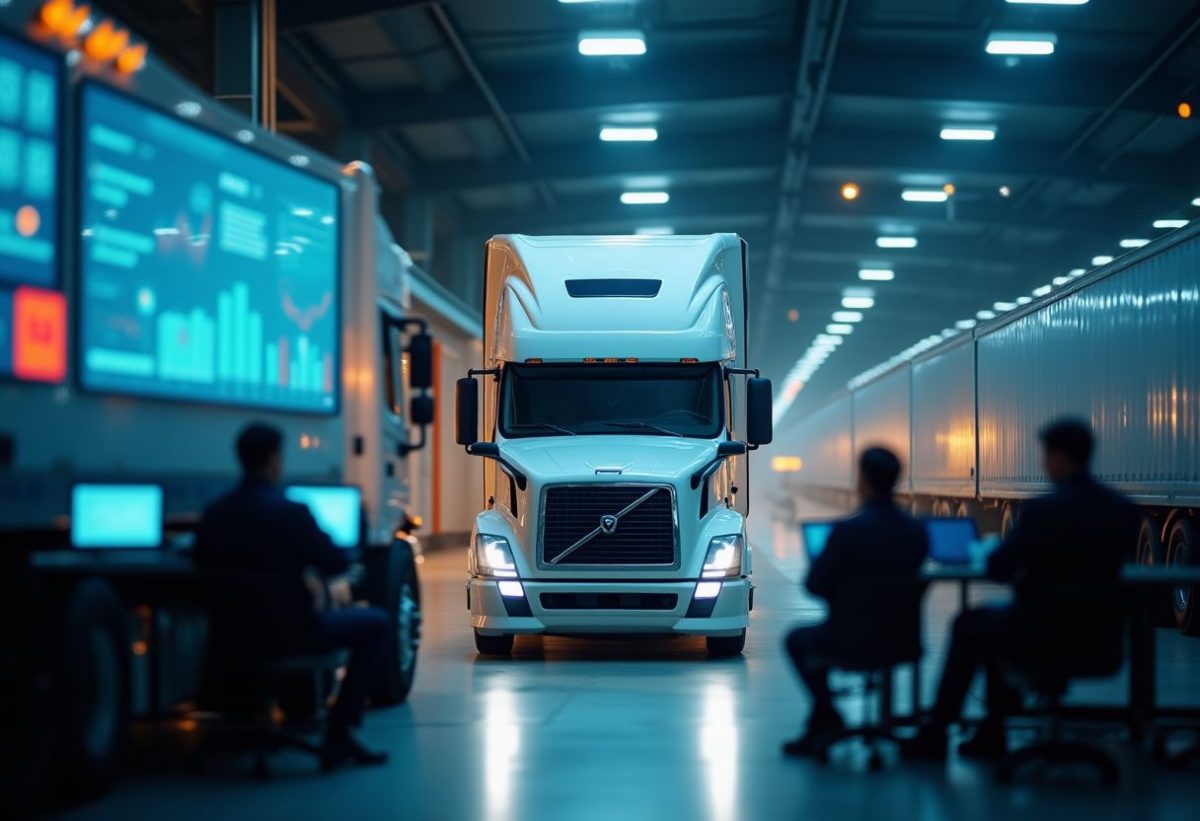
Fleet management software allows for centralizing all vehicle-related data, thereby facilitating informed decision-making. They offer features such as real-time vehicle tracking, route management, and maintenance scheduling. By using these tools, it is possible to quickly identify inefficiencies and address them effectively. Fleet tracking then becomes a simplified task, enabling both proactive and reactive management.
At the same time, telematics solutions provide valuable data on driver behavior, allowing for the implementation of targeted training programs to improve driving practices.
Human Resource Optimization
A well-trained and motivated workforce is essential to ensure the operational efficiency of a fleet.
- Continuous training programs: investing in regular training for drivers and management staff not only improves skills but also enhances safety and efficiency on the road.
- Employee motivation and engagement: establishing recognition and reward systems to encourage good driving practices and operational efficiency.
- Scheduling optimization: effective management of schedules and routes maximizes useful working time, thereby reducing costs related to overtime.
- Improving internal communications: using modern communication tools to ensure that all team members are informed and aligned with the company’s objectives.
By adopting these strategies, companies can not only reduce costs but also improve the overall efficiency of their fleet, thereby creating a significant competitive advantage.