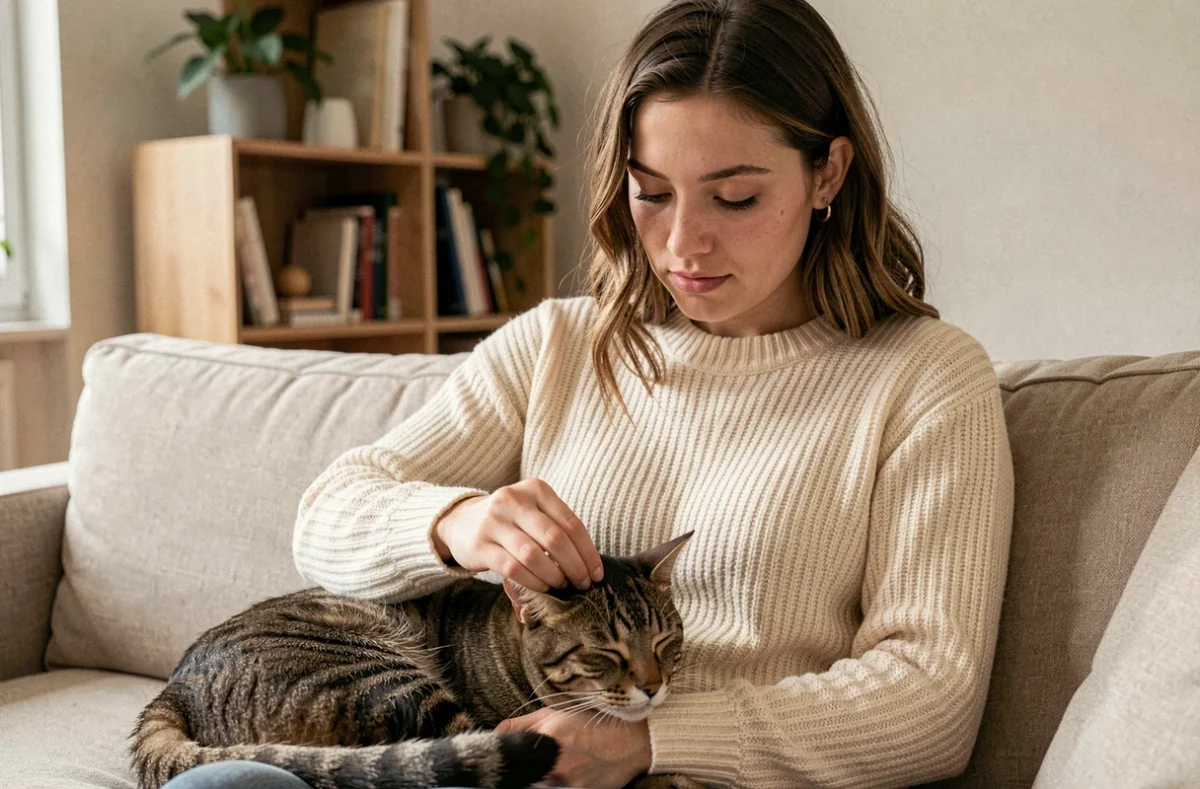
A cat in a poorly structured environment develops behavioral issues even if its diet and vaccinations are impeccable. The joint recommendations from the AAFP and ISFM place domestic territory management on par with medical prevention. Taking good care of your cat daily starts with a keen understanding of its ethological needs, followed by often underestimated technical gestures.
Territory Management: Structuring Space for an Indoor Cat
An indoor cat does not suffer from a lack of space, but from a lack of distinct functional areas. The AAFP and ISFM identify several environmental pillars: high perches, separate resources, hunting stimulation, and respect for the sense of smell. Piling toys in a corner of the living room does not meet any of these criteria.
The separation of resources is the most neglected point. Water bowls, food, litter boxes, and bedding should occupy areas far from each other. In a household with multiple cats, two litter boxes side by side do not count as two independent resources in the eyes of the animals. Physically distancing each resource point reduces silent competition and stress-related urine marking.
The respect for the sense of smell deserves special attention. Indoor air fresheners, scented litters, and certain household products disrupt the cat’s facial marking. Prefer unscented litters and avoid cleaning areas where the cat rubs its cheeks (door frames, furniture corners).
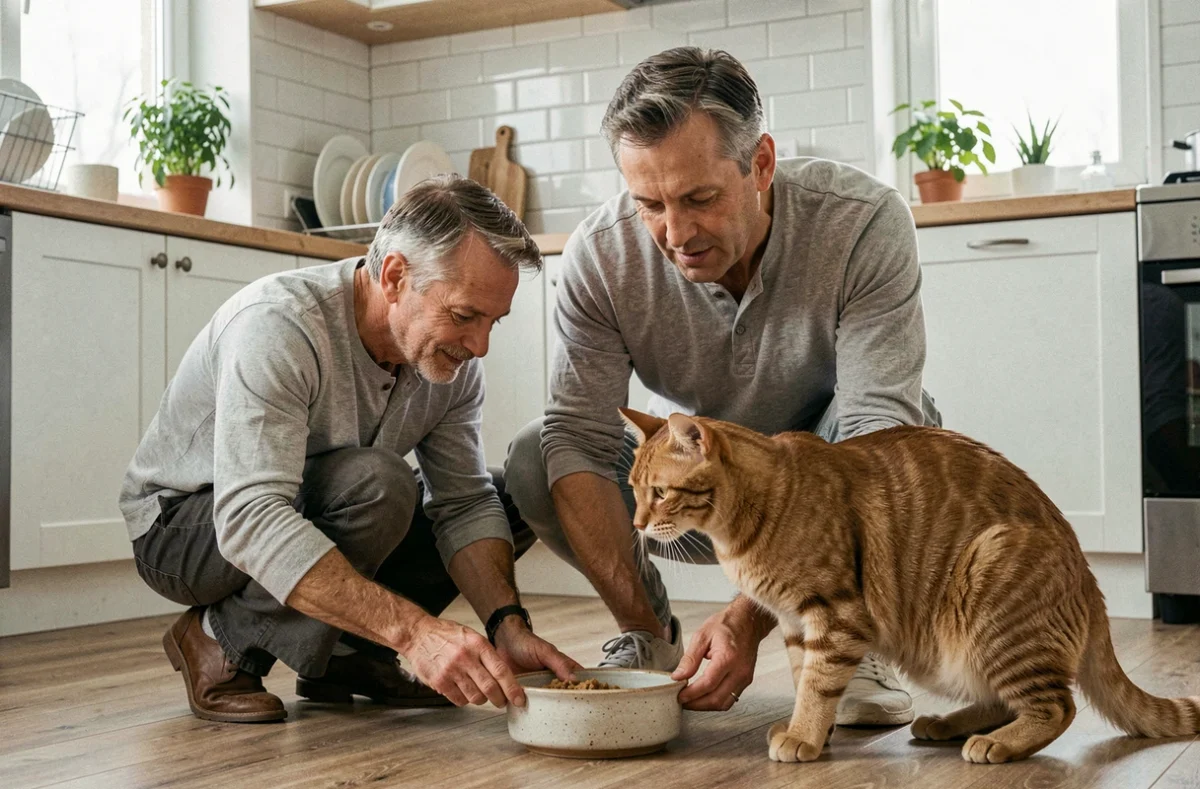
Cat Nutrition: Portioning, Adapting, Monitoring Water Intake
The cat is a natural grazer. In the wild, it consumes many small prey throughout the day. Free-feeding kibble replicates this natural grazing and suits the majority of individuals, unlike dogs which require strict rationing.
Supplementing with wet food (canned food, fresh pouches) is not a luxury. It contributes to water intake, a critical point for a species that drinks very little spontaneously. A cat fed exclusively on kibble rarely compensates for water deficiency through drinking alone.
Water Fountain or Classic Bowl
Some cats refuse stagnant water. A water fountain encourages consumption through movement. Place the water source far from the food bowl: in nature, a feline never drinks next to its prey.
In cases of confirmed overweight, free-feeding can be replaced by interactive bowls that slow down ingestion. A veterinarian can suggest a dietary program tailored to the animal’s metabolism.
Parasite Prevention Tailored to the Cat’s Risk Profile
Applying the same parasite control protocol to all cats is a common mistake. Treatment must be calibrated according to lifestyle: an exclusively indoor cat without contact with other animals does not have the same level of exposure as a cat with access to a garden.
- Exclusive indoor cat: a deworming treatment two to four times a year is generally sufficient, unless in special circumstances (new cat introduced, flea infestation in the building).
- Cat with outdoor access: external parasite protection (spot-on treatments or collars) renewed according to the product’s duration of effectiveness, combined with more frequent deworming.
- Multi-animal household (dog and cat cohabiting): treat all animals simultaneously to avoid cross-contamination, ensuring that each product is compatible with the target species. Some canine antiparasitics are toxic to cats.
The vaccination schedule follows the same logic of adaptation. We recommend discussing a personalized protocol with the veterinarian rather than following a standard scheme identical for all profiles.
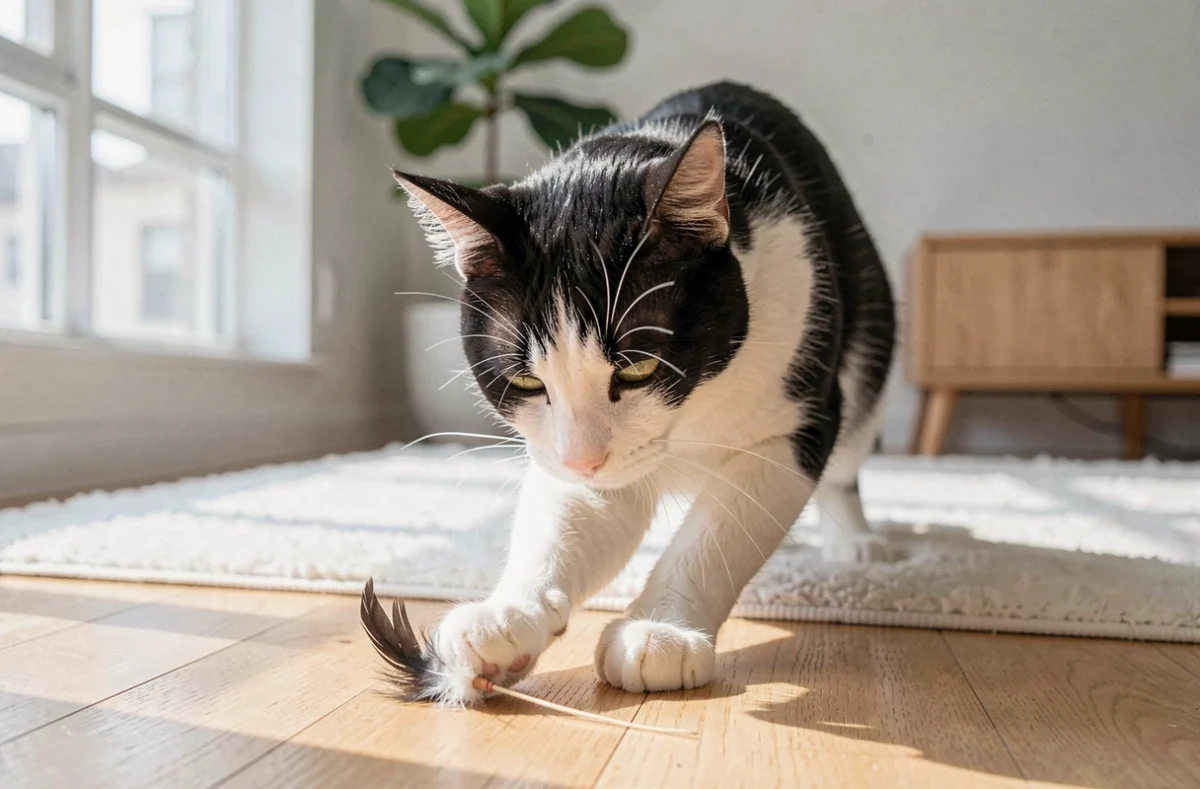
Aging Cat: Recognizing Signals of Chronic Pain
A change in habits in an elderly cat is not just a simple effect of aging. Reduced mobility, less grooming, sudden avoidance of the litter box, or decreased appetite may indicate chronic pain, particularly joint pain.
The cat instinctively masks pain. It does not always limp or meow. The signs are more subtle:
- Refusal to jump onto surfaces it previously reached easily.
- Dull or matted coat in hard-to-reach areas on the back.
- Elimination next to the litter box (joint pain makes stepping over difficult).
- Irritability upon contact or unusual social withdrawal.
Adapting the Home for the Senior Cat
Simple adjustments significantly improve comfort: low-sided litter boxes, ramps for accessing high resting places, elevated bowls to reduce neck bending. Nutrition should also evolve towards formulations suited to the aging cat’s metabolism, often richer in digestible proteins and fatty acids.
Any persistent behavioral change warrants a veterinary consultation. An annual health check-up, or even biannual from a certain age, allows for early detection of common renal or joint conditions in senior cats.
Caring for a cat daily relies less on a list of mechanical gestures and more on regular observation and continuous adaptation. The environment, nutrition, and prevention form a coherent whole that each owner adjusts to their animal’s profile, supported by personalized veterinary follow-up.