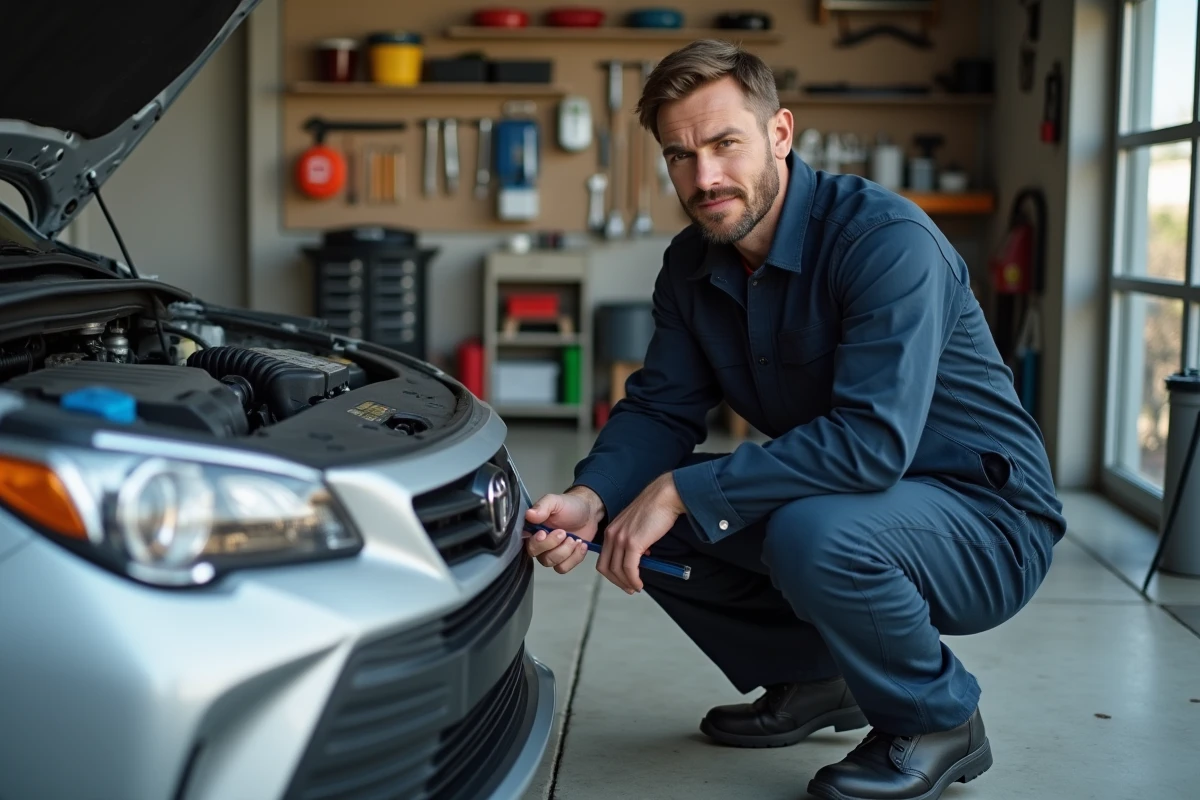
The maintenance of a car relies on a set of regular technical gestures that preserve mechanical reliability, safety, and the resale value of the vehicle. Far beyond just visiting the garage, certain checks and driving habits directly influence the longevity of the engine, fuel consumption, and the overall condition of the bodywork.
OBD-II Bluetooth Diagnostics: Monitor Your Engine from Your Phone
OBD-II Bluetooth devices plug into the diagnostic port found on all vehicles since the late 1990s. Paired with a mobile app, they allow real-time reading of engine temperature, battery voltage, fault codes, and the status of the particulate filter regeneration.
The main benefit is early detection: a drifting sensor, a faulty lambda probe, or abnormal turbo pressure appear as codes long before the engine light illuminates on the dashboard. Fixing the problem at this stage often costs a fraction of the price of a late repair.
Several European automotive clubs, such as ADAC and ÖAMTC, have published comparisons of diagnostic apps since 2023, indicating that this practice is moving beyond enthusiasts to become a common maintenance reflex. To explore other aspects of automotive maintenance, auto tips on Sarkostique cover a wide range of complementary topics.
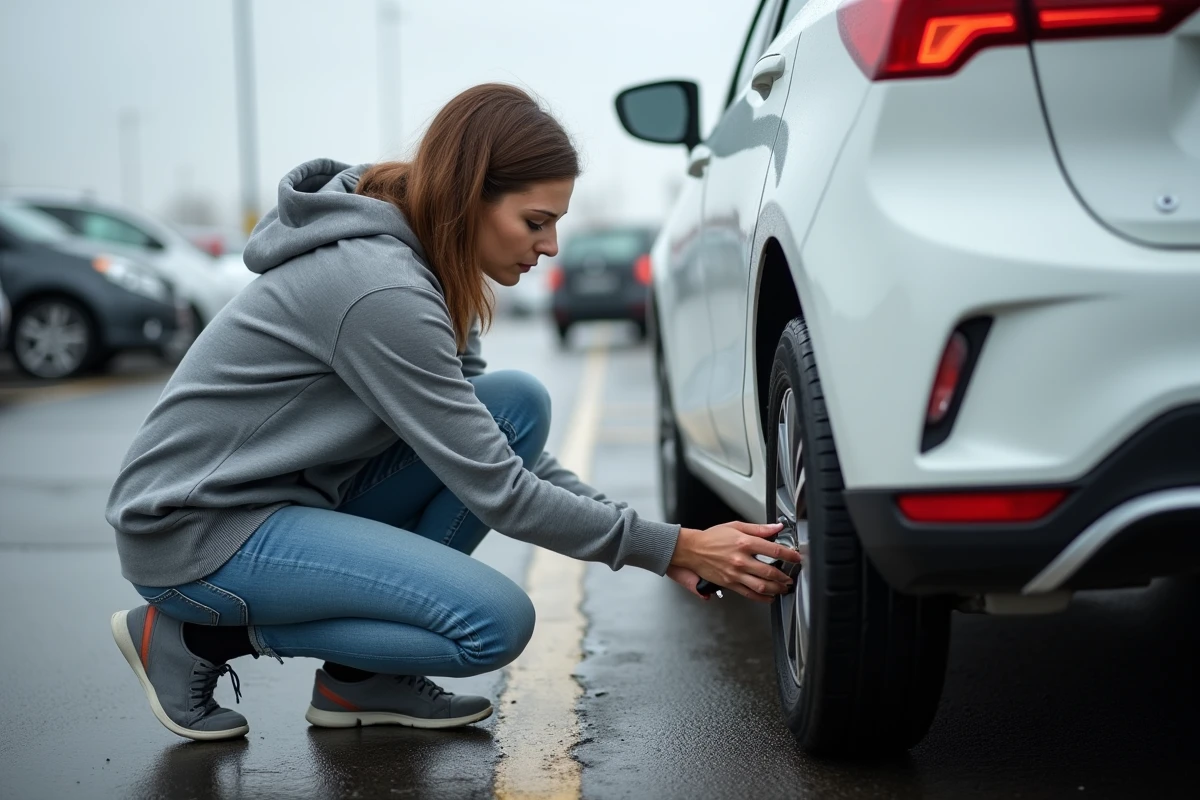
E10 Fuel Compatibility and Fuel Injection System Maintenance
SP95-E10, which contains a higher share of ethanol compared to regular SP95, has become widespread in European gas stations. This change is not trivial for the fuel system, especially in older vehicles.
Ethanol is a solvent. In an engine not designed for this fuel, it can gradually attack hoses, injector seals, and certain components of the injection system. ACEA recommends systematically checking the vehicle’s compatibility in the owner’s manual or through official databases before refueling daily.
- Visually inspect the fuel circuit hoses at least once a year, looking for signs of cracking, leaking, or swelling
- Replace the fuel filter according to the recommended intervals, as ethanol can dislodge deposits in the tank that clog the filter more quickly
- For an older vehicle whose E10 compatibility is not confirmed, prefer SP98 to preserve the injection system
This point is often overlooked because the engine runs without apparent symptoms for months. Damage reveals itself when a hose fails or an injector seizes, leading to a bill much higher than the extra cost of SP98.
Calibration of ADAS Sensors After Windshield Replacement
Driver assistance systems (emergency automatic braking, lane keeping, adaptive cruise control) rely on cameras and radars integrated into the windshield or grille. A poorly replaced windshield or a badly recalibrated camera severely degrades these safety functions.
Since 2022, manufacturers and road safety organizations have published guides reminding of this constraint. Recalibration requires specific tools (calibration targets, static or dynamic benches) that not all glass replacement centers possess.
Radar and Camera Obscured by Dirt
A more mundane but equally problematic detail: a radar sensor obscured by mud, a poorly positioned license plate holder, or a slightly misaligned bumper after a bump can be enough to disable emergency braking without the driver realizing it. Regularly cleaning the area around the sensors (often at the bottom of the front bumper and behind the interior mirror) is part of routine maintenance once the vehicle is equipped with ADAS.
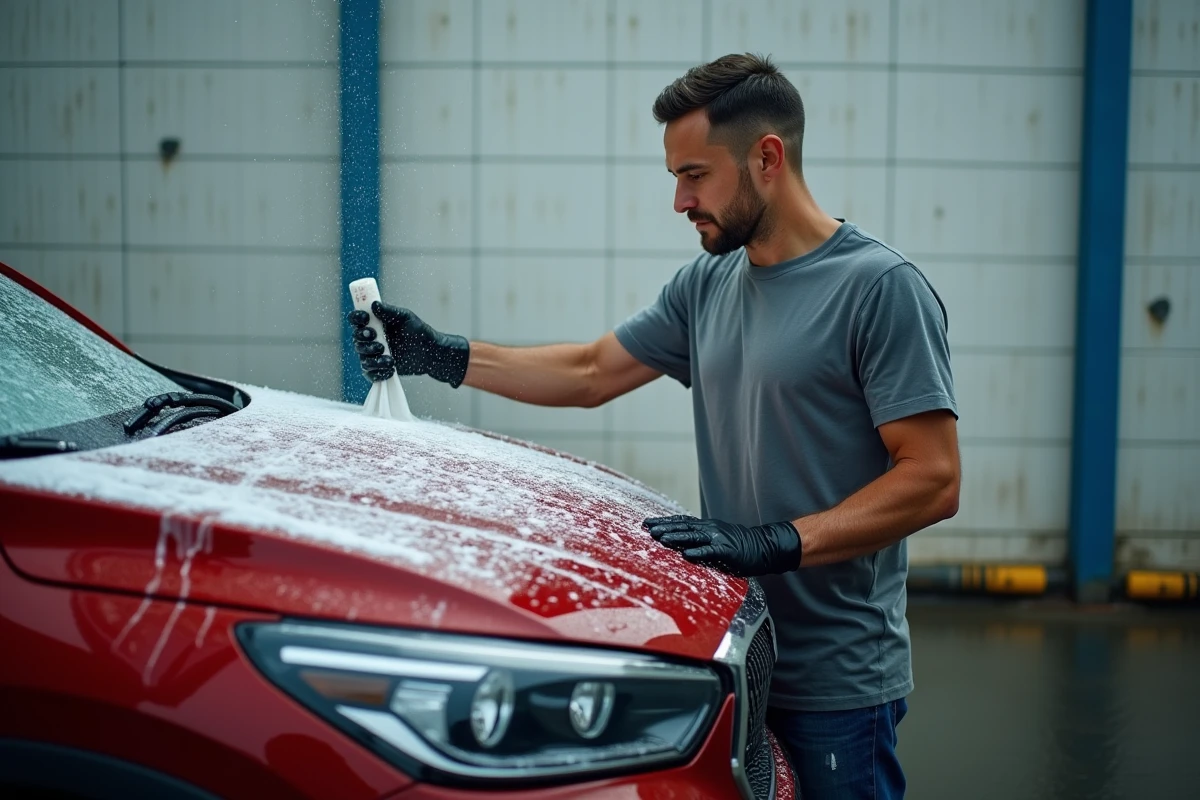
Tires and Fuel Consumption: The Underestimated Link
Tire pressure directly affects rolling resistance. An under-inflated tire significantly increases fuel consumption and accelerates uneven wear of the tread. The check should be done when cold, ideally every two weeks or before each long trip.
Beyond pressure, the condition of the sidewall deserves attention. Visible micro-cracks on the rubber indicate aging that compromises road holding even if the tread depth remains compliant. A tire several years old but little used can be more dangerous than a uniformly worn tire.
- Check the manufacturing date (DOT code on the sidewall) to identify tires approaching their age limit
- Rotate the front/rear tires according to the pattern recommended by the manufacturer to even out wear
- Adjust the pressure to the actual load of the vehicle, not just to the default value listed on the door frame
Driving Habits and Engine Longevity
The warm-up phase remains the moment when mechanical wear is the highest. Engine oil only reaches its optimal viscosity after several minutes of operation. Subjecting the engine to heavy loads when cold, especially by revving high, accelerates wear on the rings, bearings, and turbocharger in equipped engines.
Driving at moderate RPM during the first kilometers allows the oil to properly lubricate all moving parts. This simple gesture applies to both thermal and hybrid engines, whose combustion engine sometimes starts cold after an all-electric phase.
On repeated short trips (less than a few kilometers), the engine never reaches its operating temperature. Condensation accumulates in the oil and exhaust, promoting internal corrosion and dilution of the lubricant. Extending oil change intervals for this type of use would be a mistake: short trips actually impose a shorter oil change interval than that indicated for standard road use.
The longevity of a vehicle depends more on the regularity of small gestures than on the frequency of garage visits. A driver who monitors their levels, adapts their driving at startup, and checks the compatibility of their fuel mechanically delays the aging of each component, without expensive tools or mechanic skills.