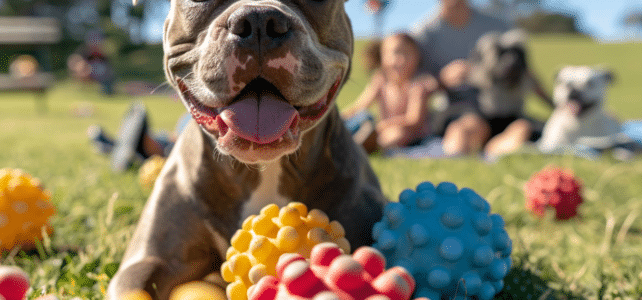
The American Bully is known for its robust appearance and friendly temperament, but like any breed, it requires special attention for its well-being. Novice or experienced owners may sometimes make mistakes, overlooking the specific needs of this affectionate breed. Proper nutrition, suitable physical exercise, and regular healthcare are crucial. It’s important to understand the psychology of the American Bully to avoid behavioral issues. Practical advice can help establish a healthy routine and avoid common pitfalls in caring for these canine companions.
The keys to the well-being of the American Bully: exercise, training, and affection
Firm training and socialization are among the foundations of the American Bully’s well-being. The breed is recognized for its strength, but this animal remains sensitive to the quality of its educational environment. Positive reinforcement proves to be an effective method to ensure good behavior and foster a trusting bond between the dog and its owner. Socialization from a young age helps prevent fear or aggression towards other animals or humans. Organizations such as the United Kennel Club and the American Bully Kennel Club, which recognize the breed, emphasize the importance of these practices from the earliest months of the American Bully’s life.
Read also : Pilates in Paris: Harmony and Well-Being in the Heart of the Capital
Physical exercise is a pillar of the American Bully’s life. Regular exercise, tailored to the animal’s category—Pocket, Classic, Standard, Extreme, or XL—is essential to maintain its physical and mental fitness. A healthy diet complements this picture, ensuring the vital balance for the health of this energetic companion. The American Bully, a result of crossings between the American Staffordshire Terrier and the American Pit Bull, inherits a need for activity that should not be neglected.
The mistakes to avoid with the American Bully often lie in a lack of consistency or attention to the specific needs of the breed. Neglecting training, providing an inadequate diet, or failing to ensure sufficient physical exercise can lead to behavioral and health issues. Canine education experts stress that patience and understanding of each dog’s unique needs are essential to building a harmonious relationship and ensuring the well-being of these animals. Thoughtful advice and a caring approach will help avoid these pitfalls and fully enjoy the company of the American Bully.
See also : How to Replace Coconut Milk in Your Savory Recipes: Tips and Alternatives
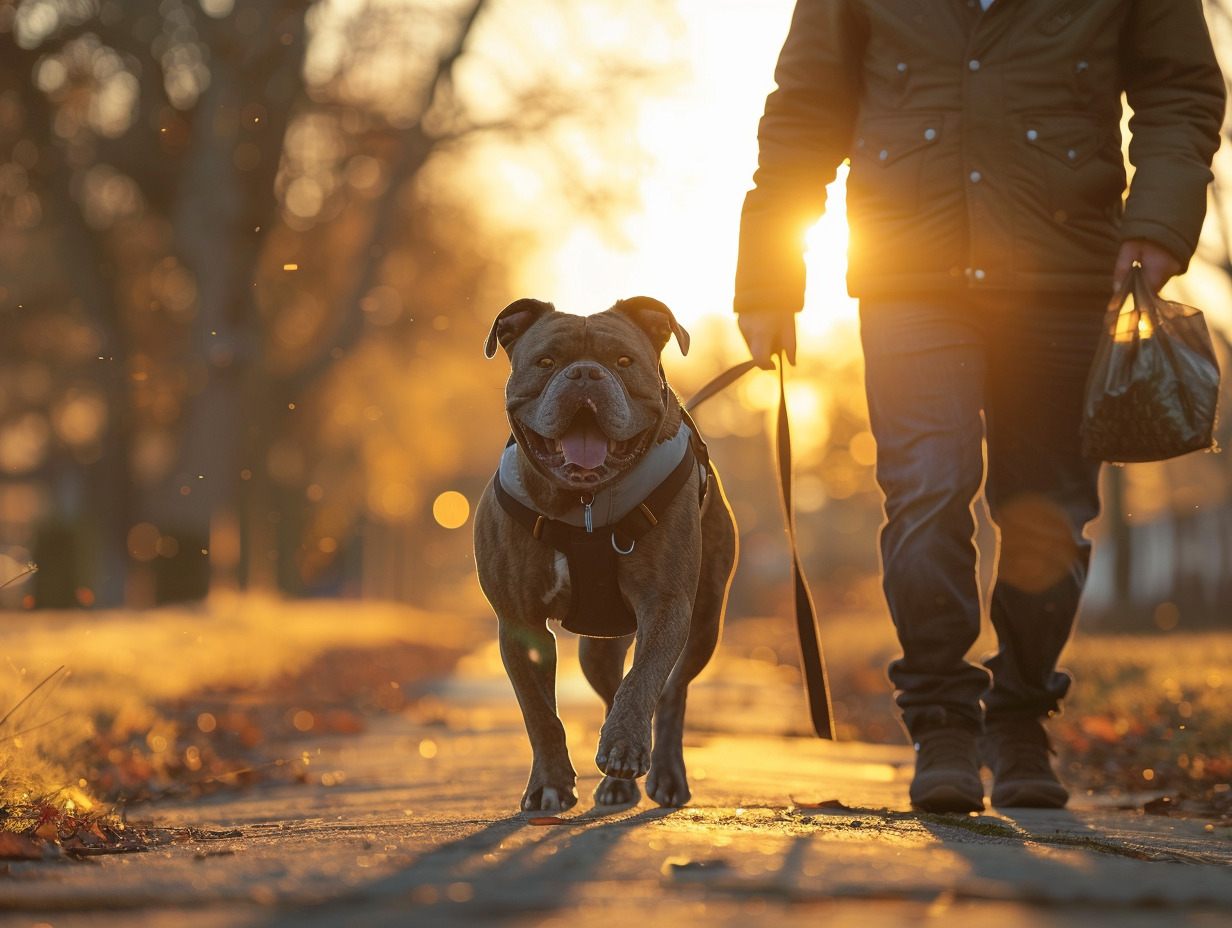
Common mistakes in caring for American Bullies and how to avoid them
Understanding the nuances specific to the American Bully breed is fundamental to avoiding care mistakes. These animals, derived from the robust breeds of the American Staffordshire Terrier and the American Pit Bull, require particular attention to their diet and exercise routine. An inadequate diet for these dogs’ energy needs, or a lack of physical activity, can quickly lead to behavioral problems or obesity, widespread issues in the canine world.
The diversity of the American Bully categories—Pocket, Classic, Standard, Extreme, and XL—demands individualized care. Each category has distinct needs in terms of exercise and nutrition. The mistake often lies in applying a uniform regimen, neglecting the morphological and physiological specifics of each dog. Owners must therefore educate themselves and adjust care according to their companion’s category.
The mistake of inconsistent or lax training is also common. The American Bully requires firm and consistent training, which should not be confused with harshness. Positive reinforcement is the preferred approach, establishing a relationship of trust and mutual respect. Neglected training can lead to issues of aggression or disobedience, thus challenging the animal’s benevolent potential.
American Bully owners sometimes overlook the affectionate aspect of these dogs. Companionship, affection, and quality time spent with the animal are aspects that nurture its emotional well-being. The American Bully, despite its robust appearance, remains a dog that thrives in a warm and stimulating environment. Neglecting this aspect of its social life can lead to frustration and anxiety, thereby affecting its overall health.