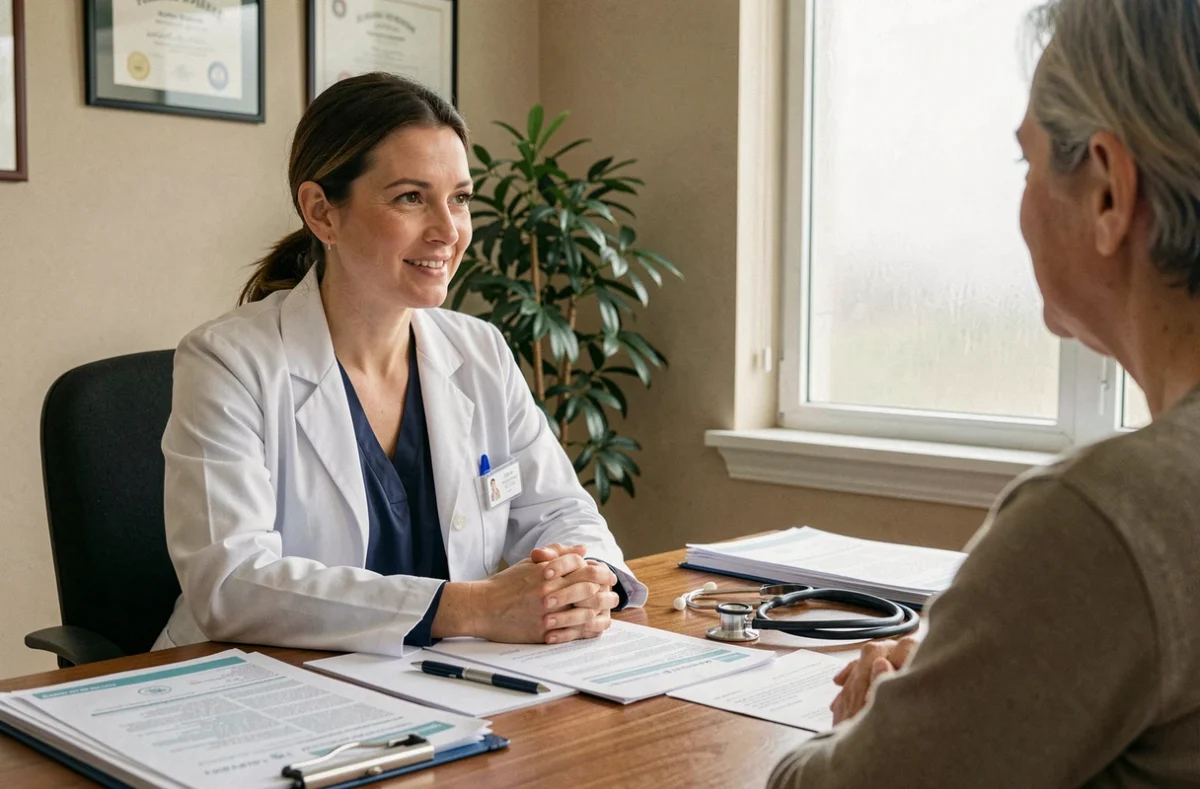
Have you ever seen a doctor for a specific problem, only to realize that day-to-day follow-up was in someone else’s hands? Nurses, physiotherapists, dietitians, pharmacists: well-being isn’t built solely during medical appointments. It takes shape between consultations, through preventive care, attentive listening and guidance provided by a range of healthcare professionals over the weeks.
Nursing consultations and prevention: a framework that makes a difference
Nursing consultations now have a clearer regulatory framework. Recent legislation specifies that nurses can assess your needs, identify warning signs and refer you to the right care, without waiting for a condition to develop.
In practice, this covers everyday topics that we rarely associate with a consultation. Screening and advice can address physical activity, nutrition, addiction and sexual health. A private-practice nurse can therefore see you to review your lifestyle habits, not just to change a dressing or give an injection.
This development gives Santé Quotidienne professionals a leading role in supporting patients through this proactive approach to prevention, well before a health problem arises.
Nursing support is available even if you’re not ill and don’t have a prescription. This is a shift in perspective for many patients who are used to seeking care only when they have symptoms.
Direct access to advanced practice nurses: shorter wait times
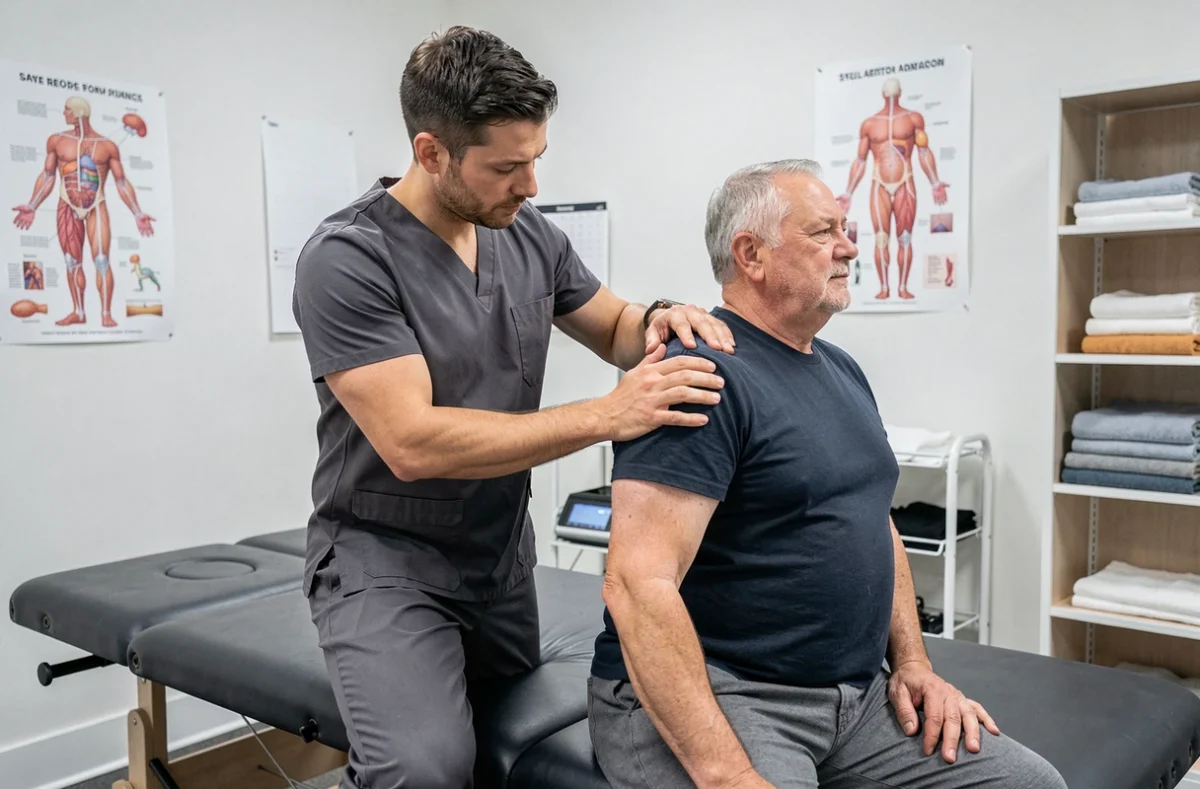
Have you ever waited several weeks for an appointment with a specialist when all you needed was a treatment adjustment or routine follow-up? Direct access to certain advanced practice nurses (APNs) is gradually expanding across France.
The principle is simple. For certain defined clinical situations, an APN can see you without requiring a prior visit to a doctor. This shortens the care pathway and frees up doctors’ time for more complex cases.
What this means for patients
An APN does not replace a doctor. Their role is clearly defined and may include renewing or adjusting treatment and monitoring stable chronic conditions. Direct access reduces wait times without compromising the quality of follow-up.
This direct-access trial in coordinated care settings (territorial professional healthcare communities) covers several departments. The rollout is gradual, which explains why access varies from one area to another.
Regional disparities: the real barrier to consistent support
This is something well-being guides rarely address. The quality of support depends largely on where you live. Two factors play a direct role:
- The number of healthcare professionals in your area, which determines whether you can get an appointment within a reasonable time
- Whether coordinated care facilities (health centers, CPTS) are available to enable shared follow-up between several practitioners
- Whether initiatives such as Maisons Sport-Santé are available, welcoming healthy people for an assessment and referral to suitable physical activity
Where you live can influence your well-being as much as your choice of practitioner. In areas with too few healthcare professionals, preventive care may depend on a single provider, while better-served areas can offer multidisciplinary support.
Digital tools as a partial solution
Mon espace santé is presented by the Ministry of Health as a way to support more preventive, personalized healthcare. Information added by users and healthcare professionals is centralized there, making remote follow-up easier.
This type of tool cannot make up for the physical absence of a healthcare provider in your local area. However, it does help maintain continuity of information between appointments, regardless of which professional you see.

Physical activity, nutrition, addiction: prevention beyond the clinic
Everyday well-being isn’t just about managing illness. Healthcare professionals are increasingly addressing practical ways to improve quality of life outside the traditional treatment setting.
Maisons Sport-Santé: a practical example
These facilities welcome anyone, including people in good health, who wants to start or get back to physical activity. An initial assessment helps tailor recommendations. Healthcare professionals act as guides, not prescribers.
This model reflects a gradual shift from treatment to ongoing support. Patients are no longer seen only as people who need treatment, but as individuals who can be supported in their everyday choices.
What everyday support involves
Recent updates to nursing competencies set out practical actions, including:
- Identifying risky behaviors (sedentary habits, excessive alcohol consumption, poor dietary balance) during routine consultations
- Referring patients to appropriate services (a dietitian, supervised physical activity, a specialist consultation) based on their needs
- Providing personalized advice on sexual health, stress management or quitting smoking as part of regular follow-up
Nurses are becoming everyday prevention coordinators, able to identify a need before it develops into a medical problem.
The healthcare professional–patient relationship: what makes a difference over time
Well-being support works when patients feel listened to and understood over time. The quality of this relationship directly affects whether they follow recommendations and keep up with regular appointments.
A nurse who sees you every week for a technical procedure will eventually get to know your habits, family situation and constraints. This in-depth understanding makes it possible to offer tailored advice, whereas a one-off consultation tends to be more general.
Continuity in the relationship is a source of well-being in its own right. It reduces anxiety about navigating the care system and builds trust in the recommendations you receive.
In the years ahead, the main challenge will be less about expanding healthcare professionals’ scope of practice and more about ensuring the healthcare system can provide this continuity across the country. The tools are available and the regulatory framework is evolving. The geographic distribution of healthcare professionals remains the key factor on which everything else depends.