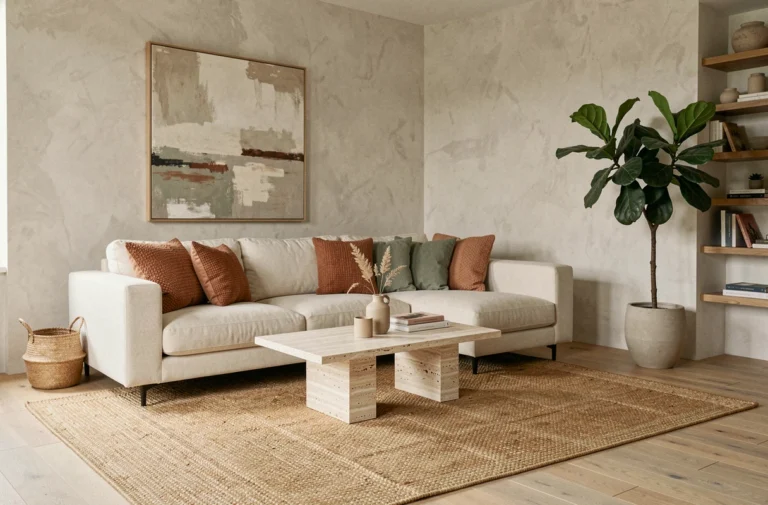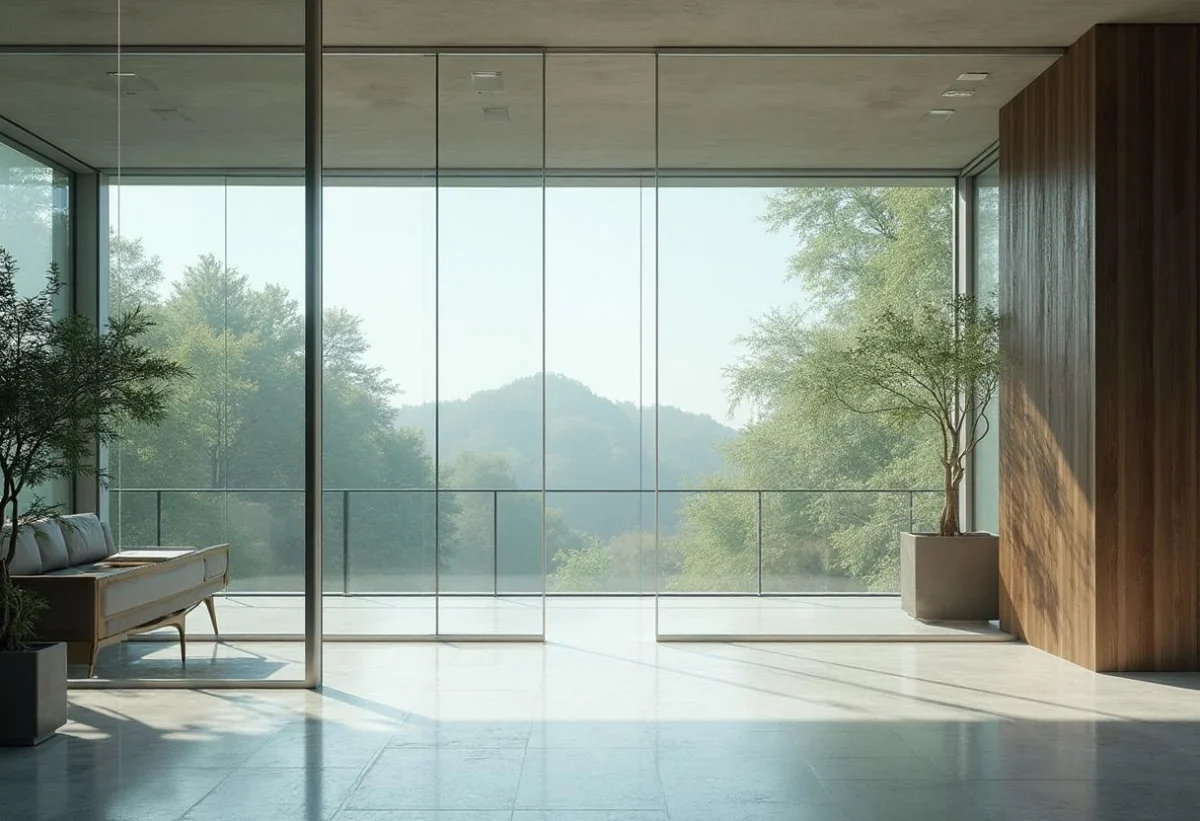
The glass wall, a symbol of the perfect intersection between art and architecture, is much more than just a separation. It embodies the alliance of light and space, transforming interiors with unparalleled elegance. Its history dates back to the time when glass artisans created magnificent structures to capture natural light. Today, it is experiencing a revival, becoming a centerpiece in both modern and traditional homes. Whether one seeks to delineate a space or add a touch of sophistication to a room, the glass wall stands out as a wise choice. This article explores the multiple facets of this fascinating architectural element.
The Origins of the Glass Wall
The history of the glass wall goes back centuries, where it played both a functional and aesthetic role in religious buildings and grand residences. From the Renaissance to modern times, its function and design have evolved.
Initially, the glass wall was primarily used in Gothic cathedrals to fill the buildings with divine light, creating a sacred atmosphere. Its use then extended to the luxurious buildings of the nobility, where it symbolized wealth and power. At that time, the glass wall was often adorned with intricate stained glass, illustrating biblical and historical scenes, capturing the imagination of those who beheld them.
- Gothic Era: Used in churches to diffuse light.
- Renaissance: Integrated into palaces to display wealth.
- Industrial Era: Simplification and mass production.
- Contemporary Era: Renewed popularity in modern homes.
The Different Types of Glass Walls
Each glass wall has its own personality, capable of adapting to various interior styles. Choosing a specific type can transform a space, reflecting personal preferences and the character of the place.
- Steel Glass Wall: Robust and industrial, it offers a raw and modern look.
- Aluminum Glass Wall: Lightweight and modern, it is easy to maintain.
- Wood Glass Wall: Traditional and warm, it harmonizes with classic interiors.
Each material gives the glass wall a distinct character, allowing for perfect integration into any type of decor. An interior glass wall can, for example, create an opening between a kitchen and a living room while maintaining a sense of intimacy.
The Benefits of Integrating a Glass Wall into Your Interior
A glass wall not only beautifies a space but also offers numerous practical advantages that justify its integration into contemporary interiors.
Firstly, it allows for optimal diffusion of natural light, transforming dark rooms into bright and welcoming spaces. Natural light is not only beneficial for morale but also reduces electricity consumption. Secondly, the glass wall provides a visual separation of spaces without compromising openness and friendliness. It thus avoids confinement while subtly defining areas.
Finally, it adds an undeniable aesthetic dimension, becoming a true work of art within the home.
How to Choose Your Glass Wall?
Choosing a glass wall requires considering several factors to ensure perfect synchronization between the architecture of the house and the desired aesthetic.
The first step is to determine the ideal location. Whether to separate a kitchen from a dining room or to create an isolated office without closing off the space, the location largely determines the style of glass wall to prioritize. Next, the choice of material should reflect the overall style of the house. An industrial interior will be enhanced by a steel glass wall, while a more traditional setting will better accommodate wood. It is also essential to consider the budget, as prices can vary significantly depending on materials and design complexity.
Finally, the option for customization allows for adding a unique touch, whether through specific patterns or colors.