
The binding of books is an art that has evolved over the centuries, incorporating various techniques to meet the diverse needs of readers and publishers. Each binding method offers distinct advantages, whether it be strength, flexibility, or cost. For example, the glued square back binding, commonly used for paperback books, is appreciated for its speed and low cost, although its durability may be limited.
On the other hand, sewn binding, often reserved for prestigious works or academic publications, ensures superior strength and longevity, but at a higher price. Between these two extremes, there are intermediate solutions like spiral binding or ring binding, each having its own strengths and limitations in terms of handling and presentation.
Recommended read : Smart Investing: The Advantages and Risks of Iroko Zen SCPI with a Small Budget
The main book binding techniques
Stapled binding and glued binding
Stapled binding, often used for brochures and small booklets, has the advantage of being quick and economical. It is not suitable for thick works, and its durability remains limited. In contrast, glued binding offers a more professional appearance, although it may deteriorate over time and lacks flexibility.
Sewn binding and spiral binding
Sewn binding is valued for its great durability, ideal for high-quality works. However, it is more expensive, and the manufacturing process is longer. Spiral binding, on the other hand, is flexible and easy to handle. It works well for notebooks and manuals, even though it may appear less aesthetic and can deform with use.
You may also like : What are the advantages and disadvantages of being a property dealer?
Glued square back binding and sewn square back binding
Glued square back binding is often used for paperback or bound books, offering a good compromise between cost and presentation. However, it may deteriorate over time. The sewn square back binding, more durable and of a premium appearance, is generally reserved for prestigious works, but at a higher cost and with a longer manufacturing process.
- Eyelet binding: very strong, ideal for technical documents, but less aesthetic and more expensive.
- Japanese binding: unique aesthetic and very durable, but requires a manual process and is therefore more costly.
- Hardcover binding: very durable and of a premium appearance, but expensive and requiring a longer process.
These different binding techniques meet various needs, whether it be durability, cost, or aesthetics. Each presents specific advantages and disadvantages that must be considered according to the intended use of the book.
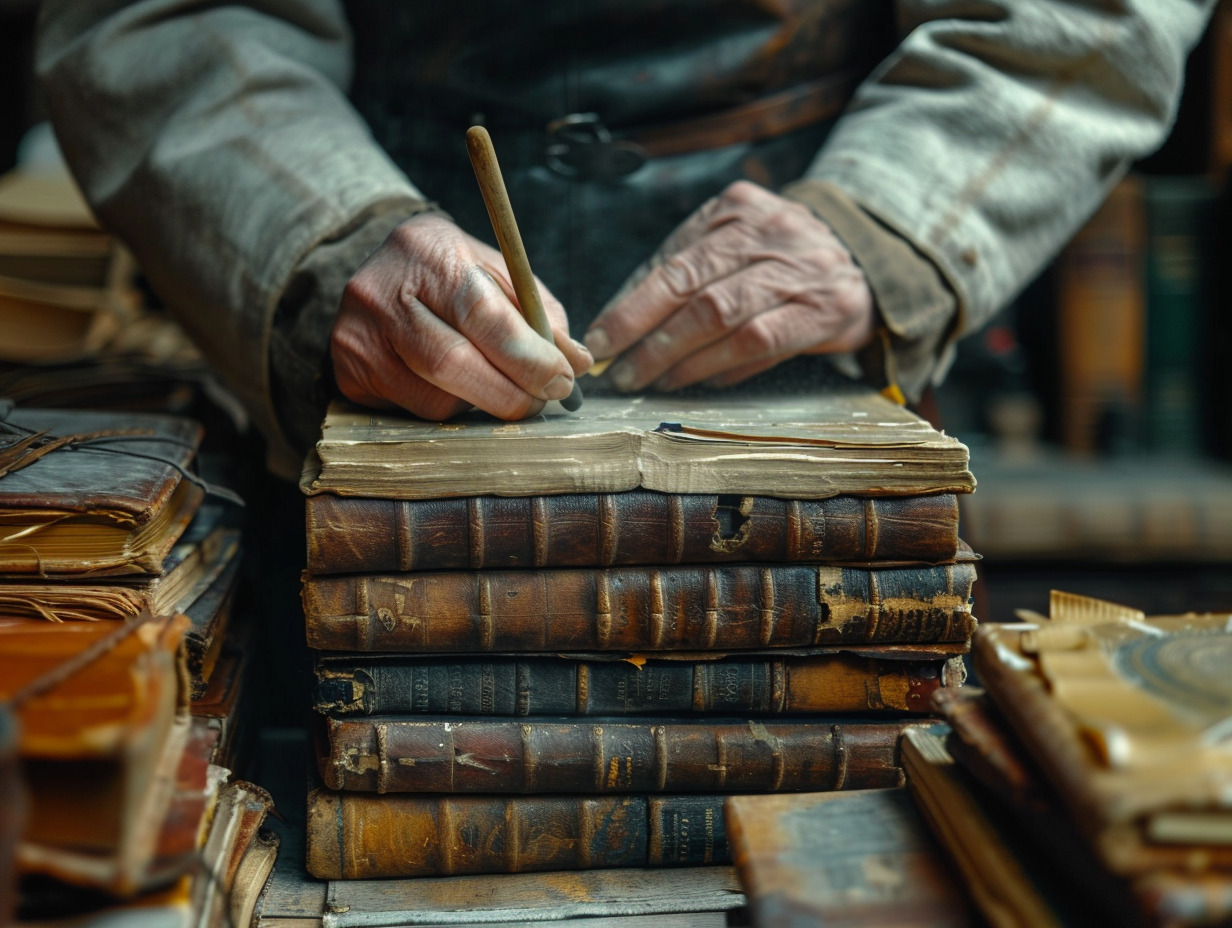
Advantages and disadvantages of each binding technique
Stapled binding
- Advantages: quick and economical, ideal for small formats.
- Disadvantages: less durable, not suitable for thick books.
Glued binding
- Advantages: moderate cost, professional appearance.
- Disadvantages: less flexible, may deteriorate over time.
Collated binding
- Advantages: good page retention, suitable for thick books.
- Disadvantages: higher cost, longer process.
Sewn binding
- Advantages: very durable, pages well secured.
- Disadvantages: higher cost, longer process.
Spiral binding
- Advantages: flexible, easy to handle.
- Disadvantages: less aesthetic, may deform.
Eyelet binding
- Advantages: very strong, ideal for technical documents.
- Disadvantages: less aesthetic, higher cost.
Glued square back binding
- Advantages: professional appearance, good page retention.
- Disadvantages: less flexible, may deteriorate over time.
Sewn square back binding
- Advantages: very durable, premium appearance.
- Disadvantages: higher cost, longer process.
Japanese binding
- Advantages: unique aesthetic, very durable.
- Disadvantages: manual process, higher cost.
Hardcover binding
- Advantages: very durable, premium appearance.
- Disadvantages: higher cost, longer process.